Moving Energy Efficiently
Distillation
Distillation is a widely used method for separating mixtures based on differences in the conditions required to change the phase of components of the mixture. At its core, distillation involves the selective boiling and subsequent condensation of a component in a liquid mixture. It is a physical separation process, not a chemical reaction. The process […] Read MoreDead weight tonnage
Deadweight Tonnage (often abbreviated as DWT) is a measure of the maximum weight that a ship can carry without risking its safety. This includes the mass of everything on board — from cargo, fuel, passengers, crew, to provisions and freshwater. It’s a crucial metric for assessing a vessel’s cargo-carrying capacity and plays a vital role […] Read MoreConcentrates
Concentrates in the context of energy commodities typically refer to a form of substance which has been processed to increase its purity and potential energy content. This is usually done by removing extraneous materials, resulting in a product that is denser in energy-creating compounds. In the energy sector, concentrates may pertain to substances like metallurgical […] Read MoreCarcinogenic
Carcinogenic refers to any substance or agent that has the potential to cause cancer in living tissues. The mechanism by which carcinogens cause cancer can be complex and varies depending on the substance but often involves alterations to cellular DNA. Exposure to carcinogens can come from various sources including certain chemicals, radiation, and even some […] Read MoreCarbon emissions
Carbon emissions refer to the release of carbon dioxide (CO2) into the atmosphere, which occurs when carbon-containing substances, such as fossil fuels (coal, oil, and natural gas) or organic matter (wood, peat, etc.), are burned or undergo decomposition. Carbon emissions are a significant component of greenhouse gas emissions, contributing to the greenhouse effect, where gases […] Read MoreBorrowing bases
### Borrowing Bases The term “borrowing base” refers to the amount of money a lender is willing to lend to a company, typically a producer in the energy sector, based on the collateral provided by the borrower. In the context of energy commodities trading, the borrowing base is often determined by the value of the […] Read MoreBituminous binders
Bituminous binders, commonly referred to as asphalt binders or simply asphalt, are a group of sticky, viscous, black, or dark-colored cementitious materials that are primarily composed of highly condensed polycyclic aromatic hydrocarbons. These substances occur both in natural deposits and as a byproduct of the petroleum refining process. Bituminous binders are used predominantly in the […] Read MoreBiofuel Plants
Biofuel Plants Biofuel plants refer to the facilities where various types of biofuels are produced. Biofuels are renewable energy sources derived from biological materials such as crops, waste plant materials, or other organic matter. These plants are designed to convert these organic materials into fuels that can be used for transportation, heating, and power generation. […] Read MoreBiodiesel
Biodiesel is a renewable, biodegradable fuel that is manufactured using a chemical process which converts oils and fats of natural origins into fatty acid methyl esters (FAME). Biodiesel is designed to be used in standard diesel engines and can be blended with petroleum diesel at various levels or used in its pure form. It provides […] Read MoreAmmonia
Ammonia (NH3) is a colorless gas with a distinctive pungent smell. It is a compound of nitrogen and hydrogen and is a critical chemical in the production of fertilizers, which is a primary use for ammonia. It is also utilized in various industrial and commercial applications including refrigeration, cleaning products, and the manufacture of plastics, […] Read More
Sustainability Fundamentals
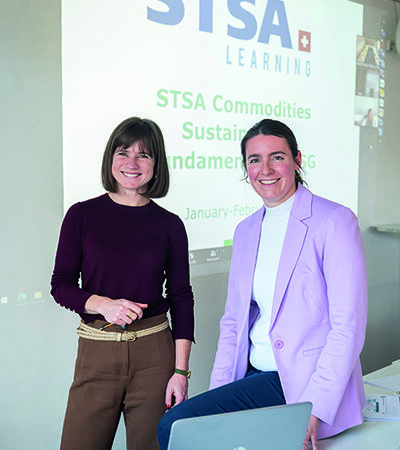
Commodity Sustainability Fundamentals ESG is a 2-day education program from the Swiss Commodity Trading Association that encompasses all aspects of sustainability (Environment, Social and Governance – ESG) and has been designed for the whole commodity industry (Oil & Gas, Metals & Minerals and Agricultural/Soft). Background The association, known locally as SUISSENÉGOCE, idenitfied a gap in […] Read More
The Evolution of Compliance Training
From September to the end of each year, Centalion’s Compliance team undertakes its annual mandatory employee training and review for all relevant employees. More than 800 individuals participated in the courses in 2021, representing 100% of those who require such training. While each year, the rhythm of this exercise is the same—four months of updates […] Read More
Supply Chain Management at GPR
By Turnaround Contracting Coordinator in GPR The Netherlands is a highly regulated country where Human Rights infringements are not likely to occur. However, we are always cautious when prequalifying new contractors and vendors, especially from countries other than The Netherlands. For contractors (both domestic and foreign), we always use a prequalification form. We assess the […] Read MoreVolatility
**Volatility** In the context of energy commodities trading, volatility refers to the degree of variation in the price of a commodity over a certain period of time. It is a statistical measure that represents the tendency of the price to rise or fall sharply within a short period. High volatility implies that the price of […] Read MoreInternal Audit
To test our internal functions across the Group, we established an Internal Audit Department to provide independent and objective assessments of business activities, operations, financial systems, and the internal control environment of Centalion. The Audit team conducts between 15-20 internal audit engagements each year, covering activities such trading desks, assets, central functions and processes, joint-ventures […] Read More